

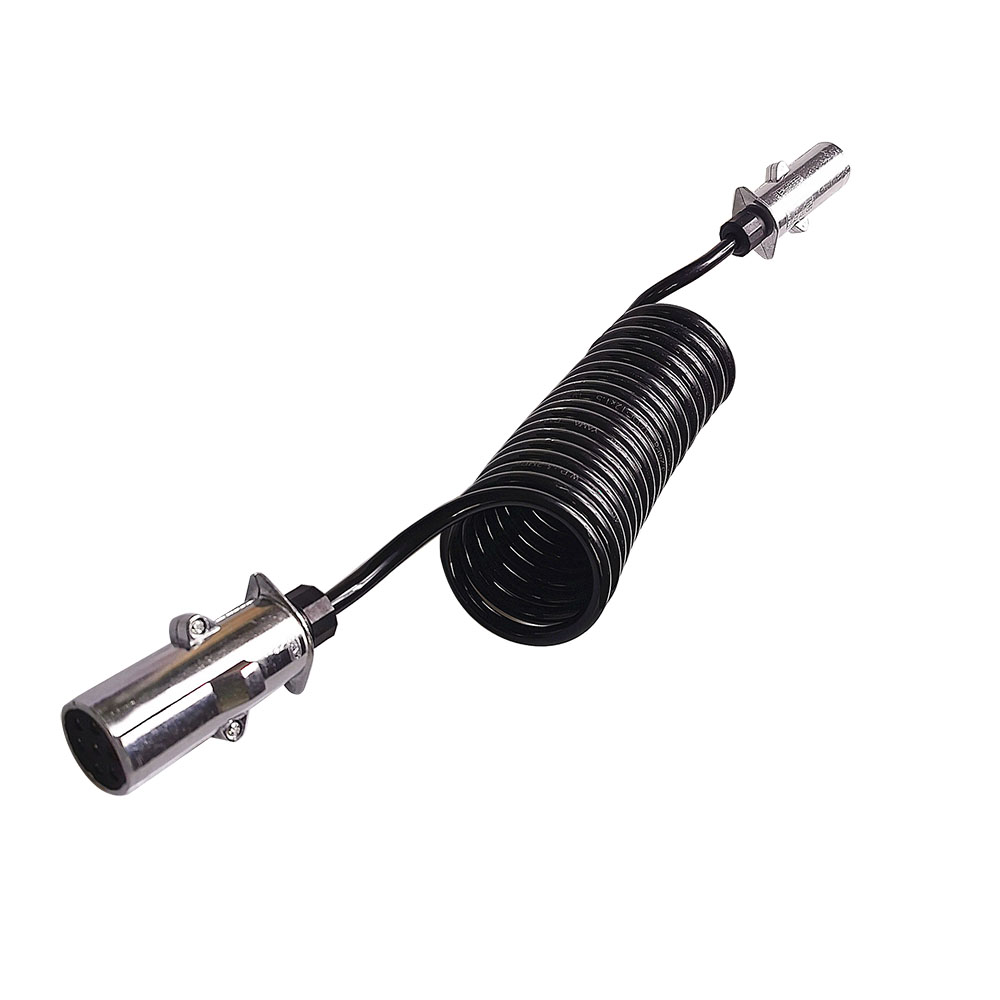
High-Pressure Trailer Cable Coil Hose: Meeting the Needs of Heavy Load Trailers
Industry Background and Market Demand
The transportation and logistics sector relies heavily on heavy-load trailers to move oversized cargo, construction equipment, and industrial machinery. These trailers operate under extreme conditions, including high pressure, temperature fluctuations, and mechanical stress. To ensure safe and efficient operation, hydraulic and pneumatic systems require durable, high-performance hoses capable of withstanding these challenges.
High-pressure trailer cable coil hoses have emerged as a critical component in this space. Unlike traditional rubber hoses, these specialized hoses integrate reinforced steel wire coils for enhanced pressure resistance and flexibility. The demand for such hoses is driven by stricter safety regulations, increased payload capacities, and the need for longer service life in harsh environments.
Core Concept and Key Technologies
A high-pressure trailer cable coil hose is a reinforced flexible conduit designed to transmit hydraulic fluids, air, or other media under extreme pressure. The defining feature is its helical steel wire reinforcement, which prevents collapse under vacuum conditions and maintains structural integrity under high-pressure loads.
Key Technologies Include:
- Multi-Layer Construction: Combines an inner thermoplastic or synthetic rubber tube, reinforcement layers (typically steel wire or textile braids), and an abrasion-resistant outer cover.
- Pressure Balancing: The coiled steel wire ensures uniform pressure distribution, reducing the risk of burst failures.
- Flexibility Retention: Advanced polymer blends allow the hose to bend without kinking, even in sub-zero temperatures.
Product Structure, Materials, and Manufacturing
1. Inner Tube
The inner layer is typically made of oil-resistant synthetic rubber (NBR, HNBR) or thermoplastic materials (TPU, PVC). These materials ensure compatibility with hydraulic fluids and resist degradation from chemicals or heat.
2. Reinforcement Layer
High-tensile steel wire is wound in a tight spiral around the inner tube. This coil structure provides:
- Burst pressures up to 5,000 psi (depending on diameter and construction).
- Collapse resistance in vacuum applications.
- Improved fatigue life compared to braided hoses.
3. Outer Cover
A weather-resistant thermoplastic or rubber sheath protects against abrasion, UV radiation, and ozone exposure. Some manufacturers add anti-static properties for flammable fluid transport.
Manufacturing Process
- Extrusion: The inner tube is extruded and cured.
- Wire Coiling: Steel wire is precisely wound around the tube under tension.
- Cover Application: The outer layer is applied via secondary extrusion or wrapping.
- Testing: Each hose undergoes pressure, leak, and flexibility tests before certification.
Critical Factors Affecting Performance
Several variables determine the suitability of a high-pressure trailer hose for heavy-duty applications:
1. Pressure Rating
Must exceed the maximum operating pressure of the trailer’s hydraulic system by at least 25% to account for pressure spikes.
2. Temperature Range
Hoses should function between -40°F to 212°F (-40°C to 100°C) without cracking or softening.
3. Bend Radius
A smaller bend radius improves routing flexibility but must not compromise pressure resistance.
4. Abrasion Resistance
Outer covers with high DIN/ISO abrasion ratings prolong service life in rough environments.
Supplier Selection and Supply Chain Considerations
When sourcing high-pressure trailer cable coil hoses, buyers should evaluate:
- Certifications: Compliance with SAE, EN, or ISO standards (e.g., SAE J517, EN 853).
- Customization Options: Availability of bespoke lengths, fittings, and materials.
- Lead Times and Logistics: Suppliers with regional distribution centers reduce downtime risks.
Common Industry Pain Points
1. Premature Failure: Caused by improper hose routing, exceeding pressure limits, or chemical incompatibility.
2. Counterfeit Products: Substandard hoses lacking proper reinforcement may fail catastrophically.
3. Maintenance Gaps: Lack of routine inspections leads to undetected wear.
Applications and Case Studies
1. Construction Equipment Transport
Heavy-haul trailers moving bulldozers or cranes rely on these hoses for hydraulic lift systems. A major European trailer manufacturer reported a 30% reduction in hose replacements after switching to steel-coil reinforced models.
2. Mining and Oilfield Logistics
In the Canadian oil sands, operators use high-pressure hoses to handle abrasive slurries and extreme temperatures.
Current Trends and Future Developments
1. Smart Hoses: Embedded sensors for real-time pressure and wear monitoring.
2. Eco-Friendly Materials: Bio-based polymers to meet sustainability goals.
3. Hybrid Reinforcements: Combining aramid fibers with steel coils for lighter yet stronger hoses.
FAQ
Q: How often should trailer cable coil hoses be inspected?
A: Visual checks before each trip, with full pressure testing every 6–12 months.
Q: Can these hoses be repaired, or must they be replaced?
A: Damaged hoses should always be replaced; repairs compromise integrity.
Q: What’s the typical lifespan of a high-pressure trailer hose?
A: 3–5 years with proper maintenance, but harsh conditions may shorten this.
Conclusion
High-pressure trailer cable coil hoses are indispensable for heavy-load transport, offering unmatched durability and safety. As technology advances, smarter and more sustainable solutions will further enhance their role in the industry. Buyers must prioritize quality, compliance, and supplier reliability to maximize performance and minimize downtime.
This website uses cookies to ensure you get the best experience on our website.



 WhatsApp
 Phone
Phone E-mail
Comment
(0)