

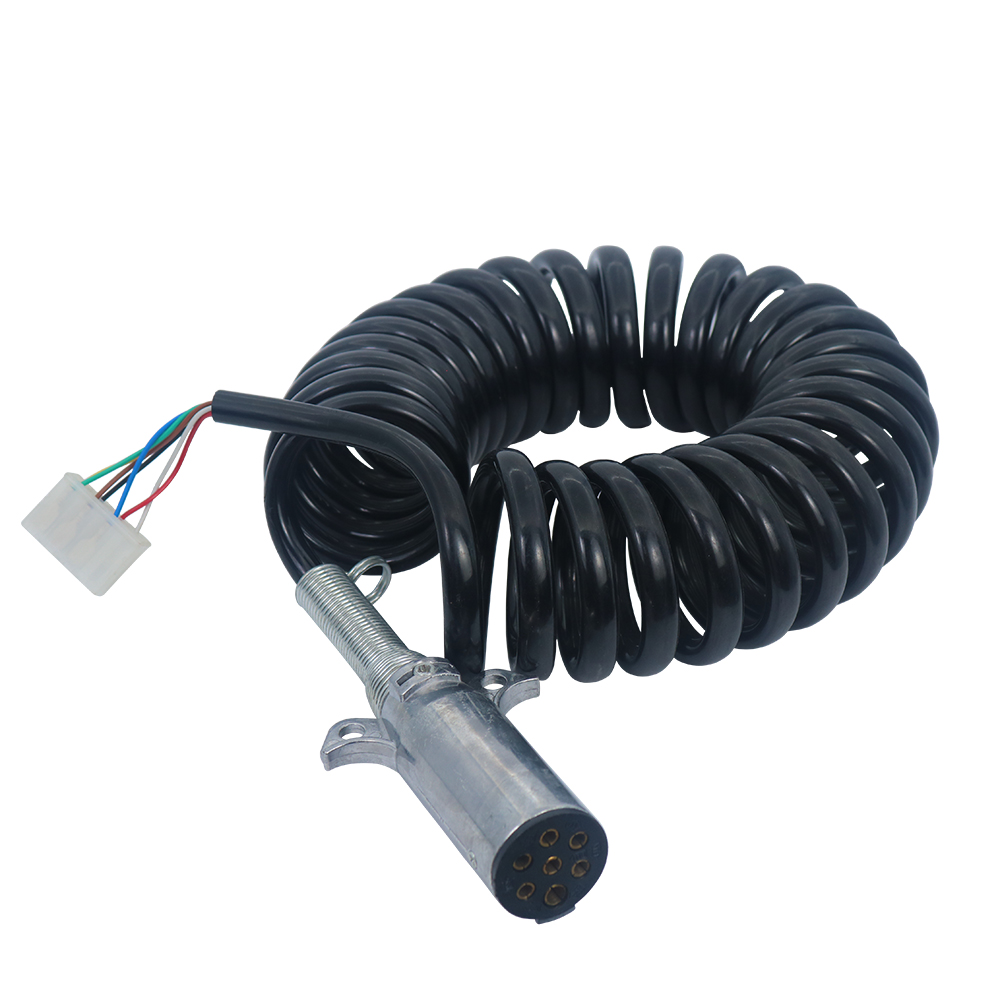
Truck Curled Cable Common Myths Debunked: Know the Real Performance Facts
The trucking and heavy-duty transportation industry relies on durable, high-performance components to ensure operational efficiency and safety. Among these, truck curled cables play a critical role in powering and connecting essential systems, from lighting to hydraulic controls. However, misconceptions about their performance, durability, and material selection persist, leading to suboptimal purchasing decisions.
This article clarifies the technical realities behind curled cables, debunking common myths while highlighting key factors that determine their reliability in demanding environments.
Industry Background & Market Demand
The demand for truck curled cables has grown alongside advancements in commercial vehicle electrification and automation. These cables are designed to withstand repeated flexing, extreme temperatures, and mechanical stress—common challenges in long-haul trucking, construction, and agricultural machinery.
With stricter regulations on vehicle safety and emissions, manufacturers increasingly prioritize cables that reduce failure rates and maintenance costs. However, misinformation about their capabilities often leads to premature replacements or compatibility issues.
Core Technology & Design Principles
1. Construction & Materials
A curled cable’s performance depends on its layered design:
- Conductors: High-flexibility stranded copper (often tinned for corrosion resistance) ensures conductivity under constant movement.
- Insulation: Thermoplastic elastomers (TPE) or cross-linked polyethylene (XLPE) provide flexibility and resistance to abrasion, oils, and UV exposure.
- Shielding: Braided or spiral shielding minimizes electromagnetic interference (EMI), crucial for sensitive electronic systems.
- Outer Jacket: Polyurethane (PUR) or rubber compounds enhance durability against mechanical wear and environmental factors.
2. Curl Retention Mechanism
Unlike standard cables, curled variants maintain a pre-formed spiral shape, allowing consistent retraction without kinking. This is achieved through specialized coiling processes during manufacturing, ensuring elasticity and fatigue resistance.
Key Factors Affecting Performance
1. Flex Life: The number of bend cycles before failure depends on conductor stranding and jacket material. High-quality cables exceed 1 million flex cycles.
2. Temperature Range: Performance degrades if used beyond rated temperatures (-40°C to +105°C is typical for premium cables).
3. Chemical Resistance: Exposure to fuels, hydraulic fluids, or road salts demands chemically inert jacketing.
4. Tensile Strength: Cables in drag chains or robotic arms require reinforced tensile cores to prevent elongation.
Supplier Selection & Quality Assurance
Reliable suppliers adhere to:
- Certifications: ISO 9001, UL, or CE compliance ensures baseline quality.
- Testing Protocols: Dynamic flex tests, cold bend tests, and abrasion resistance evaluations validate durability.
- Customization: OEMs should verify if suppliers offer tailored lengths, shielding options, or connector compatibility.
Common Myths vs. Facts
Myth 1: "All Curled Cables Are Interchangeable"
Fact: Cables vary in conductor gauge, shielding, and jacket material. Using an underspecified cable in high-vibration environments leads to premature failure.
Myth 2: "Thicker Jackets Always Last Longer"
Fact: Excessive thickness can reduce flexibility. Optimal jackets balance abrasion resistance with bend radius requirements.
Myth 3: "Price Equals Quality"
Fact: While cheap cables often cut corners, mid-range options with verified test data can outperform overpriced brands lacking transparency.
Applications & Case Studies
- Electric Trucks: High-voltage curled cables in battery management systems require EMI shielding and flame retardancy.
- Construction Equipment: Hydraulic control cables in excavators must resist oil exposure and constant torsion.
- Trailer Lighting: Reliable retractable cables prevent wiring damage during hitching/unhitching.
Future Trends
1. Smart Cables: Integration of sensors to monitor wear, temperature, or insulation breakdown in real time.
2. Sustainable Materials: Bio-based polymers and recyclable designs to meet eco-regulations.
3. Modular Connectors: Quick-disconnect systems to reduce downtime during replacements.
FAQ
Q: How do I determine the right curl diameter?
A: Match it to the application’s bend radius—typically 5–8x the cable’s outer diameter.
Q: Can curled cables be repaired if damaged?
A: No—splicing compromises flex life. Replacement is recommended.
Q: Are there industry standards for flex testing?
A: Yes, DIN EN 50396 and IEC 60245-4 outline flex endurance protocols.
Conclusion
Understanding the engineering behind truck curled cables dispels myths and ensures optimal selection. By prioritizing material quality, flex endurance, and supplier verification, fleet managers and OEMs can reduce downtime and enhance vehicle reliability. As technology evolves, staying informed about emerging trends will further refine cable performance in heavy-duty applications.
(Word count: 1,280)
This website uses cookies to ensure you get the best experience on our website.



 WhatsApp
 Phone
Phone E-mail
Comment
(0)