

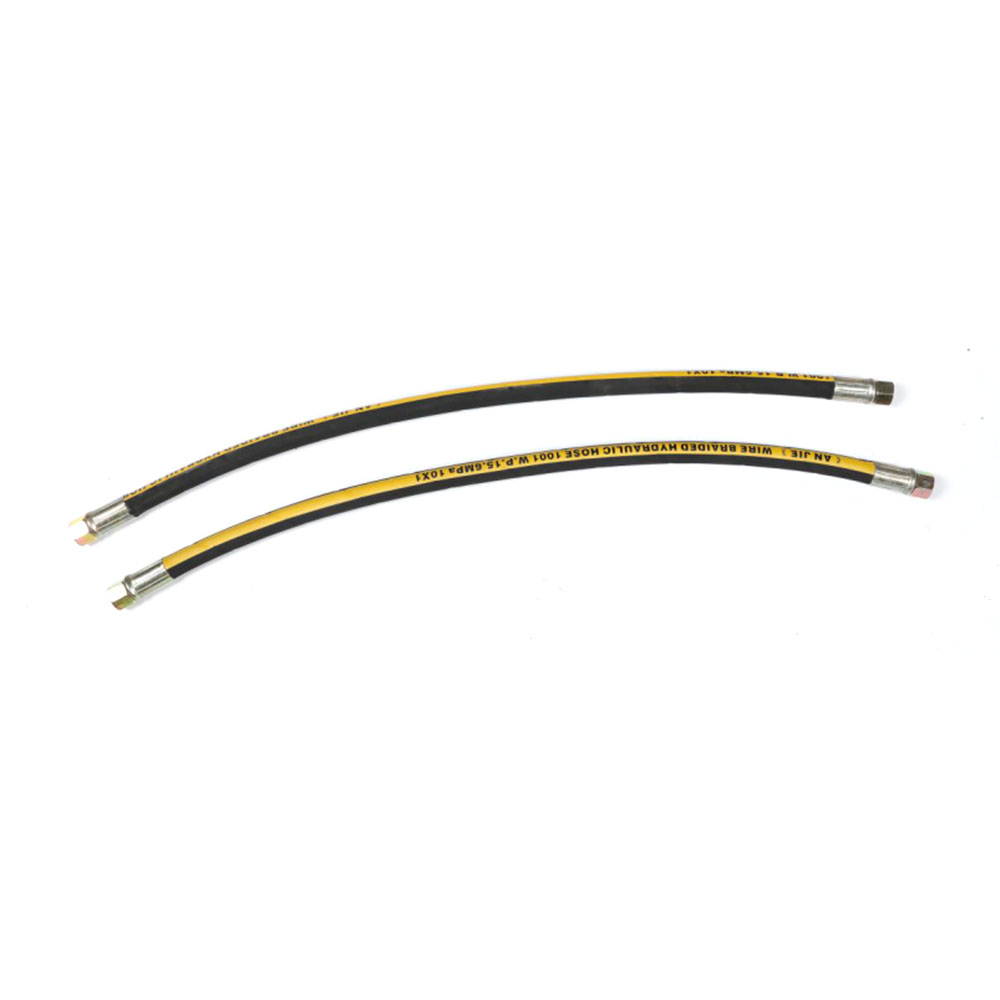
Truck Curled Cable Length Calculator: Find the Exact Size for Your Truck
Industry Background and Market Demand
The trucking industry relies heavily on efficient electrical systems to power lighting, sensors, and communication devices. Curled cables, also known as coiled or retractable cables, are essential for maintaining connectivity in moving parts, such as between truck cabins and trailers. However, selecting the correct cable length is critical—too short, and the cable may snap under tension; too long, and it becomes prone to tangling or damage.
With increasing demand for precision in vehicle wiring, manufacturers and fleet operators require reliable tools to determine optimal cable lengths. A truck curled cable length calculator addresses this need by providing accurate measurements based on vehicle dimensions, movement range, and environmental factors. This tool minimizes installation errors, reduces maintenance costs, and enhances operational safety.
Core Concepts and Key Technologies
A curled cable length calculator operates on fundamental engineering principles:
1. Stretch and Retraction Dynamics – Curled cables expand and contract repeatedly. The ideal length ensures full extension without overstretching while maintaining sufficient slack when retracted.
2. Bend Radius and Fatigue Resistance – Repeated bending affects cable longevity. The calculator factors in minimum bend radius to prevent premature wear.
3. Environmental Variables – Temperature fluctuations, moisture, and mechanical stress impact cable performance. Advanced calculators incorporate these variables for durability.
Modern tools use parametric modeling, integrating truck dimensions (e.g., cab-to-trailer distance) and movement patterns (e.g., turning radius) to generate precise recommendations. Some systems also leverage IoT sensors for real-time adjustments.
Product Structure, Materials, and Manufacturing
High-quality curled cables consist of:
- Conductors: Typically copper or aluminum, chosen for conductivity and flexibility.
- Insulation: Thermoplastic elastomers (TPE) or polyurethane (PUR) for abrasion resistance.
- Shielding: Braided or foil shielding to prevent electromagnetic interference (EMI).
- Outer Jacket: Weather-resistant materials like PVC or TPE for outdoor use.
Manufacturing involves extrusion for insulation, coiling under controlled tension, and rigorous testing for flex life (often exceeding 1 million cycles). The length calculator ensures these materials perform optimally under real-world conditions.
Key Factors Affecting Performance
1. Cable Length vs. Movement Range – A 10%–20% extension beyond maximum stretch is standard to avoid strain.
2. Load Capacity – Current rating and mechanical load must match application demands.
3. Temperature Range – Extreme cold reduces flexibility; heat accelerates insulation degradation.
4. Installation Angle – Improper routing increases wear at stress points.
Supplier Selection and Quality Assurance
When sourcing curled cables, suppliers should meet:
- ISO 9001 Certification: Ensures consistent manufacturing standards.
- Material Traceability: Documentation of raw material sources.
- Testing Compliance: UL, CE, or RoHS certifications for safety and environmental standards.
- Customization Capability: Ability to adjust coil diameter, pitch, and conductor size.
Leading suppliers provide technical support for integration, including CAD models for precise length calculations.
Common Challenges and Industry Pain Points
1. Underestimating Dynamic Movement – Static measurements fail to account for real-world vibrations and turns.
2. Material Incompatibility – Using indoor-rated cables in harsh environments leads to rapid failure.
3. Inconsistent Retraction – Poorly calibrated coils cause tangling or incomplete retraction.
A well-designed truck curled cable length calculator mitigates these issues by simulating operational conditions before installation.
Applications and Case Studies
1. Refrigerated Trailers
Curled cables power temperature sensors and door actuators. A fleet operator reduced cable replacements by 30% after adopting a length calculator that accounted for frequent door movements.
2. Heavy-Duty Mining Trucks
Exposure to dust and vibrations demands rugged cables. A mining company optimized cable lengths using a calculator, reducing downtime caused by wiring failures.
3. Electric Trucks
High-voltage systems require precise cable management to prevent overheating. An OEM integrated a calculator into their design process, improving energy efficiency.
Current Trends and Future Developments
1. Smart Cables with Embedded Sensors – Real-time monitoring of wear and tear.
2. AI-Powered Predictive Modeling – Machine learning algorithms optimize cable lifespan based on usage data.
3. Sustainable Materials – Bio-based polymers for eco-friendly insulation.
As trucks become more connected, the demand for precision-engineered cables will grow, making advanced calculators indispensable.
FAQ
Q: How often should curled cables be inspected?
A: Quarterly checks are recommended for high-use applications, with annual replacements if signs of wear appear.
Q: Can a standard cable length work for all trucks?
A: No—variations in cab design, trailer type, and operational conditions require customized calculations.
Q: What’s the impact of incorrect cable length?
A: Short cables may snap; excess length increases tangling risks and maintenance costs.
Q: Are there industry standards for curled cables?
A: Yes, DIN 72551 and SAE J1128 outline performance benchmarks for automotive cables.
By leveraging a truck curled cable length calculator, businesses can enhance reliability, reduce costs, and future-proof their electrical systems.
This website uses cookies to ensure you get the best experience on our website.



 WhatsApp
 Phone
Phone E-mail
Comment
(0)