

Conduit for Wiring
Conduit for Wiring: A Comprehensive Overview A conduit is a protective tube or channel designed to encase and route electrical wiring, ensuring safety, organization, and durability in electrical installations. It serves as a critical component in residential, commercial, and industrial settings, safeguarding wires from environmental hazards, physical damage, and electromagnetic interference. Conduits come in various materials, sizes, and configurations, each suited to specific applications and regulatory requirements. Types of Conduits 1. Rigid Metal Conduit (RMC): Made from galvanized steel or aluminum, RMC offers high mechanical strength and resistance to impact, making it ideal for industrial environments or outdoor installations exposed to harsh conditions. 2. Electrical Metallic Tubing (EMT): A lightweight, thin-walled steel conduit, EMT is easy to bend and install, commonly used in commercial and residential buildings where flexibility is needed. 3. PVC Conduit: Non-metallic and corrosion-resistant, PVC conduits are suitable for underground or wet locations. They are cost-effective and provide excellent insulation against moisture and chemicals. 4. Flexible Conduit: Constructed from spiral-wound metal or plastic, flexible conduits accommodate tight bends and vibrations, often used in machinery, data centers, or areas with movement. 5. Liquid-Tight Conduit: A flexible conduit with a waterproof jacket, designed for damp or oily environments like HVAC systems or outdoor lighting. Key Benefits - Safety: Prevents wire exposure, reducing fire risks and electrical shocks. - Durability: Shields wiring from moisture, chemicals, UV radiation, and physical abrasion. - Organization: Simplifies wire management and future maintenance by keeping cables neatly bundled. - Compliance: Meets electrical codes (e.g., NEC, IEC) that mandate conduit use in certain installations. Installation Considerations - Environment: Choose materials based on exposure to moisture, temperature extremes, or corrosive substances. - Bending and Fittings: Proper tools (e.g., conduit benders) and accessories (e.g., couplings, elbows) ensure seamless routing. - Capacity: Avoid overfilling to maintain airflow and ease of wire pulling. Applications Conduits are widely used in power distribution, data cabling, lighting systems, and control circuits. They are indispensable in construction, manufacturing, and infrastructure projects where reliable wiring protection is paramount. Conclusion By selecting the appropriate conduit type and adhering to installation best practices, electrical systems achieve longevity, safety, and efficiency. Whether for simple home wiring or complex industrial setups, conduits remain a foundational element in modern electrical infrastructure.
Products
Category:
-
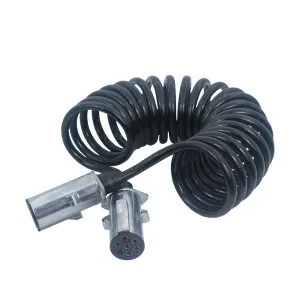
Chemical Resistant Wire Conduit
Category: Wire conduit assemblyBrowse number: 4Number:Release time: 2025-12-23 16:05:17Chemical Resistant Wire Conduit offers exceptional protection for electrical wiring exposed to harsh chemicals, oils, solvents, and corrosive substances. Made from durable materials like PVC, nylon, and stainless steel, this conduit is designed to withstand extreme conditions in industries such as chemical processing, oil refineries, and pharmaceutical manufacturing. It provides corrosion resistance, chemical resistance, and impact protection, ensuring long-term durability and reliability. Ideal for both indoor and outdoor applications, the chemical-resistant conduit helps maintain the safety and efficiency of electrical systems while minimizing the risk of damage from exposure to harmful substances.
News
Category:
-
[industry news]Trailer Cable Coil Hose Longevity Secrets: What Makes Some L...
2025-12-27 08:45:36
Case
Category:
No search results found!
Video
Category:
No search results found!
Download
Category:
No search results found!
Job
Category:
No search results found!
Featured Products
No search results found!



 WhatsApp
 Phone
Phone E-mail