

Electrical Conduit Assembly
Electrical Conduit Assembly: An Overview Electrical conduit assembly is a critical component in modern electrical systems, providing protection, organization, and routing for electrical wiring. Conduits are tubular structures designed to encase and shield wires from physical damage, moisture, chemicals, and environmental hazards while ensuring compliance with safety standards. They are widely used in residential, commercial, and industrial applications, offering flexibility, durability, and ease of maintenance. Types of Electrical Conduits Conduits are available in various materials and configurations, each suited for specific environments and requirements: 1. Rigid Metal Conduit (RMC): Made from galvanized steel or aluminum, RMC offers high mechanical strength and is ideal for exposed installations in harsh conditions. 2. Electrical Metallic Tubing (EMT): A lightweight, thin-walled steel conduit, commonly used in indoor applications due to its ease of bending and installation. 3. PVC Conduit: Non-metallic, corrosion-resistant, and suitable for underground or wet locations. PVC conduits are cost-effective and provide excellent insulation. 4. Flexible Conduit: Used where vibration or movement is expected, such as in machinery or HVAC systems. Types include liquid-tight flexible metal conduit (LFMC) and flexible metallic tubing (FMT). 5. Intermediate Metal Conduit (IMC): A lighter alternative to RMC, offering similar durability with reduced weight. Key Components of Conduit Assembly A complete conduit assembly includes: - Conduit Bodies (Junction Boxes): Allow for wire pulling, splicing, and directional changes. - Fittings and Connectors: Secure conduits to enclosures, devices, or other conduits while maintaining electrical continuity. - Bushings and Locknuts: Prevent wire abrasion and ensure tight connections. - Supports and Straps: Provide structural stability by anchoring conduits to walls, ceilings, or floors. Installation Considerations Proper conduit assembly requires adherence to electrical codes (e.g., NEC, IEC) and best practices: - Bending and Routing: Conduits must be bent carefully to avoid kinking, using manual or hydraulic benders for precise angles. - Grounding: Metal conduits must be bonded to the grounding system to prevent electrical faults. - Expansion Joints: Necessary in long runs to accommodate thermal expansion and contraction. - Sealing: In hazardous or wet locations, sealing fittings prevent moisture or gas ingress. Advantages of Conduit Systems - Safety: Protects wires from damage and reduces fire risks. - Flexibility: Allows for future wire additions or replacements. - Durability: Resists impact, UV exposure, and corrosion. - EMI Shielding: Metallic conduits minimize electromagnetic interference. Applications Conduit assemblies are used in: - Industrial Facilities: Protecting wiring in high-vibration or corrosive environments. - Commercial Buildings: Organizing electrical circuits in offices, hospitals, and data centers. - Residential Wiring: Concealing wires in walls and ceilings. - Outdoor Installations: Underground or exposed conduits for street lighting and utility systems. Conclusion Electrical conduit assembly is a fundamental aspect of safe and efficient electrical infrastructure. By selecting the appropriate conduit type, fittings, and installation methods, professionals can ensure reliable power distribution while meeting regulatory standards. Whether for new construction or retrofitting, conduit systems provide long-term protection and adaptability for evolving electrical needs.
Products
Category:
-
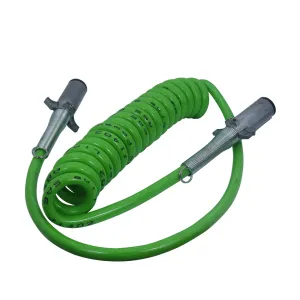
Electrical Conduit Assembly
Category: Wire conduit assemblyBrowse number: 4Number:Release time: 2025-12-23 16:06:48Wire Conduit Assembly provides essential protection for electrical wiring in various applications. Made from durable materials like PVC, metal, or flexible polymers, it shields cables from physical damage, UV exposure, moisture, and chemicals. Ideal for residential, commercial, and industrial installations, it ensures safety and organization of wiring systems. The flexible design allows for easy installation in tight spaces, while the flame-retardant properties enhance fire safety. Wire Conduit Assemblies are available in various sizes and configurations, providing reliable, long-lasting protection for all types of electrical wiring, improving system performance and minimizing maintenance costs.
News
Category:
No search results found!
Case
Category:
No search results found!
Video
Category:
No search results found!
Download
Category:
No search results found!
Job
Category:
No search results found!
Featured Products
-
NEWS
Electrical Conduit Assembly
Learn more



 WhatsApp
 Phone
Phone E-mail