

Trailer conduit installation
Trailer Conduit Installation Guide Trailer conduit installation is a critical process for ensuring safe and efficient electrical wiring in trailers, whether for commercial, industrial, or recreational use. Proper installation protects wiring from environmental factors, mechanical damage, and wear, ensuring long-term reliability. Below is a comprehensive guide to trailer conduit installation. 1. Planning and Preparation Before installation, assess the trailer’s electrical requirements, including the number of wires, voltage, and amperage. Select the appropriate conduit material—typically flexible non-metallic (PVC) or metal conduit—based on durability, flexibility, and environmental conditions. Ensure the conduit size accommodates all wires with sufficient space for heat dissipation. 2. Routing the Conduit Plan the conduit route to avoid sharp bends, moving parts, or areas prone to impact. Use clamps or straps to secure the conduit every 18–24 inches, ensuring it remains stable during trailer movement. Avoid routing near heat sources or sharp edges that could damage the conduit. 3. Cutting and Fitting Measure and cut the conduit to the required length using a conduit cutter or hacksaw. Deburr the edges to prevent wire damage. Use appropriate fittings (elbows, couplings, or connectors) to navigate corners and join sections. Seal connections with waterproof tape or sealant if exposed to moisture. 4. Pulling Wires Before inserting wires, attach a pull string or fish tape to guide them through the conduit. Lubricate wires if necessary to reduce friction. Avoid overfilling the conduit—follow the National Electrical Code (NEC) fill capacity guidelines. Leave extra wire length at termination points for connections. 5. Securing and Protecting After wiring, secure all conduit ends with strain relief fittings to prevent tugging. Use grommets where the conduit passes through metal surfaces to prevent abrasion. Label wires at both ends for easy identification during maintenance. 6. Testing and Inspection Once installed, test all circuits for continuity, insulation resistance, and proper grounding. Inspect for any exposed wiring, loose fittings, or potential damage points. Address issues before putting the trailer into service. Best Practices - Use UV-resistant conduit for outdoor exposure. - Avoid excessive bending to maintain wire integrity. - Regularly inspect conduits for wear, especially in high-vibration areas. Proper trailer conduit installation ensures electrical safety, reduces downtime, and extends the lifespan of the trailer’s wiring system. Following these steps guarantees a reliable and compliant setup.
Products
Category:
-
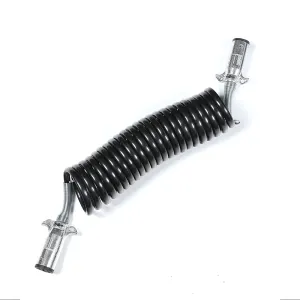
Corrosion-resistant trailer conduit
Category: Trailer conduitBrowse number: 4Number:Release time: 2025-12-23 15:21:37Corrosion-Resistant Trailer Conduit provides superior protection for electrical wiring in trailers, RVs, cargo vehicles, and marine applications. Made from durable materials like PVC, nylon, and metal alloys, it shields wiring from moisture, abrasion, and corrosion. This conduit is perfect for outdoor environments, saltwater exposure, and areas with harsh chemicals. It prevents rust and deterioration, ensuring long-lasting protection and reliable electrical performance. Designed to withstand extreme weather conditions, vibration, and impact, corrosion-resistant trailer conduit is the ideal solution for safe wiring in demanding applications, reducing maintenance costs and increasing durability. -
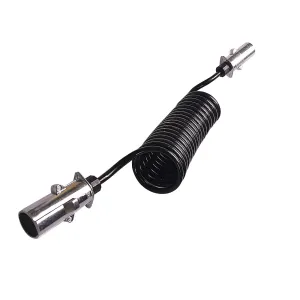
Heavy-duty trailer conduit
Category: Trailer conduitBrowse number: 4Number:Release time: 2025-12-23 15:24:52Heavy-Duty Trailer Conduit provides robust protection for electrical wiring in trailers, cargo vehicles, and industrial machinery. Made from durable materials like PVC, nylon, and metal, it resists abrasion, moisture, chemical exposure, and physical impacts. Ideal for outdoor installations, this conduit ensures long-lasting protection in harsh environments, including construction sites, marine applications, and transport vehicles. Its flexibility and UV resistance make installation easy, while its rugged construction enhances safety and reduces maintenance costs. Whether for recreational vehicles or industrial transport, heavy-duty trailer conduit ensures reliable and durable performance in demanding conditions.
News
Category:
-
[Company News]How to Choose the Perfect Truck Curled Cable for Commercial...
2025-12-29 08:59:06
Case
Category:
No search results found!
Video
Category:
No search results found!
Download
Category:
No search results found!
Job
Category:
No search results found!
Featured Products
No search results found!



 WhatsApp
 Phone
Phone E-mail